Common Causes of White Rust (And How to Fix Them)
March 17, 2026
March 17, 2026
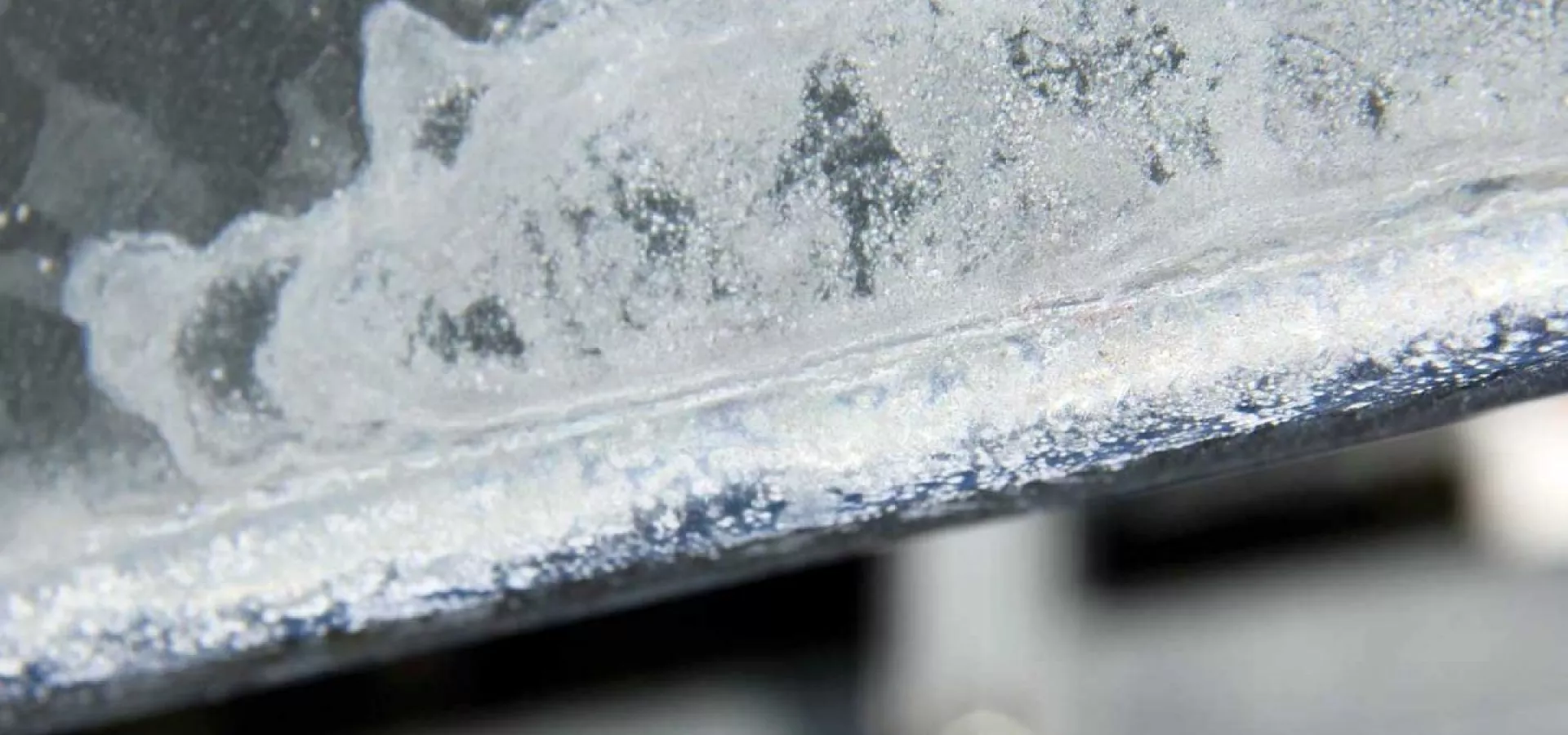
Few things are as frustrating for a metal finisher or an end-user as discovering a powdery, white residue marring the surface of a newly galvanized or zinc-plated component. This unsightly buildup, commonly known as white rust, is the nemesis of zinc-based coatings.
While it may initially appear to be purely an aesthetic issue, white rust is a symptom of active corrosion. If left unchecked, it will inevitably compromise the protective qualities of the finish and lead to the premature failure of the underlying substrate.
Understanding the root causes of white rust and implementing proactive, systemic solutions is vital for maintaining the reputation of your finishing operations. Everything corrodes eventually, but with the right tools and knowledge, exceptional durability and service life can be achieved.
What is White Rust?
Before we can fix white rust, we must understand what it actually is. In technical terms, white rust is zinc hydroxide. It forms when a zinc or zinc-nickel plating layer is exposed to moisture without adequate air circulation.
Zinc protects steel by acting as a sacrificial anode. It corrodes preferentially, sacrificing itself to save the base metal underneath. When zinc corrodes in the presence of oxygen and normal atmospheric conditions, it typically forms a stable, compact, and highly protective layer of zinc oxide and zinc carbonate. However, when water sits on the surface and oxygen is depleted (such as between tightly stacked sheets or in humid, stagnant environments), the zinc reacts rapidly to form porous and voluminous white rust.
This process actively consumes the sacrificial zinc layer at an alarming rate. Before long, the white powder is washed or blown away, exposing the bare steel underneath. The inevitable result is the rapid formation of red rust.
The Usual Suspects: Primary Causes of White Rust
While environmental exposure is the trigger, the underlying vulnerability to white rust often stems from issues within the plating and post-plating processes. Let's examine the most common causes.
1. Inadequate Plating Thickness
The single most fundamental defense a part has is the thickness of its zinc or zinc-nickel layer. Thin plating leads directly to early white rust, even when sophisticated post-plate films like passivates or sealers are properly applied.
Why? Because a thin sacrificial layer simply provides less material to corrode. Furthermore, thin coatings often fail to fully cover the microscopic peaks and valleys of the substrate. If the plating is too thin, it leads to the more rapid formation of a galvanic cell once some of the underlying substrate material is exposed to corrosive agents. Environmental exposure penetrates the thin layer faster, accelerating the onset of white rust and subsequently, red rust failure.
2. Contaminated or Exhausted Passivates
Passivates, particularly modern Trivalent Chromium (Cr3+) conversion coatings, are applied immediately after plating to form a gel-like barrier that significantly slows the initial corrosion of the zinc layer. However, these passivate baths are highly sensitive to contamination.
As parts are dipped into the passivate tank, they invariably drag in microscopic amounts of the base metal (especially iron from steel parts or unplated areas) and traces of the zinc or copper from previous tanks. Passivates with too much metallic contamination have much-reduced corrosion resistance. The heavy metals interfere with the formation of the protective chromate film, rendering it weak, porous, or entirely ineffective. When the passivate fails, the zinc layer is immediately exposed, and white rust flourishes.
Ensure you explore reliable, contamination-resistant post-plate solutions to maintain the integrity of your conversion coatings.
3. Substandard Sealers and Topcoats
To further enhance the protection offered by the passivate, many high-performance applications specify a final sealer or topcoat. These products are designed to fill the micro-cracks inherent in passivate films and provide a hard, impermeable barrier against moisture.
Unfortunately, the sealer tank is often the most neglected step on the line. Sealers or topcoats that are too old, too dilute, or simply of the wrong kind for the specific application can all lead to more white rust. A dilute sealer fails to provide adequate barrier thickness. An old, degraded sealer may not cure properly, leaving the part sticky or vulnerable. Using a standard, generic sealer in an environment that requires a high UV-resistance or extreme salt spray performance is a recipe for rapid failure.
4. Galvanic Corrosion at Joints
White rust frequently originates not on the broad surfaces of a part, but at the points of assembly. When different metals are placed in direct contact in the presence of an electrolyte (like moisture or salt), a galvanic cell is formed. The more active metal (the anode) will corrode preferentially to protect the less active metal (the cathode).
For example, when a zinc-plated bolt is threaded into an aluminum block or a stainless steel fitting, the zinc immediately begins to act as a sacrificial anode for the dissimilar metal. This metal contact can lead to aggressive galvanic corrosion near the mating surface, rapidly consuming the zinc coating and manifesting as a heavy build-up of white rust.
5. Insufficient Drying
An often overlooked but nonetheless crucial step is drying. After a part has been perfectly cleaned, perfectly plated, perfectly passivated, and perfectly sealed, it must be completely and thoroughly dried before being packaged.
Insufficient drying of parts after post-plate processing leaves residual moisture on the surface or trapped in blind holes and threaded areas. This moisture can react with the freshly formed conversion coating and the active zinc layer beneath.
Preventing and Treating White Rust
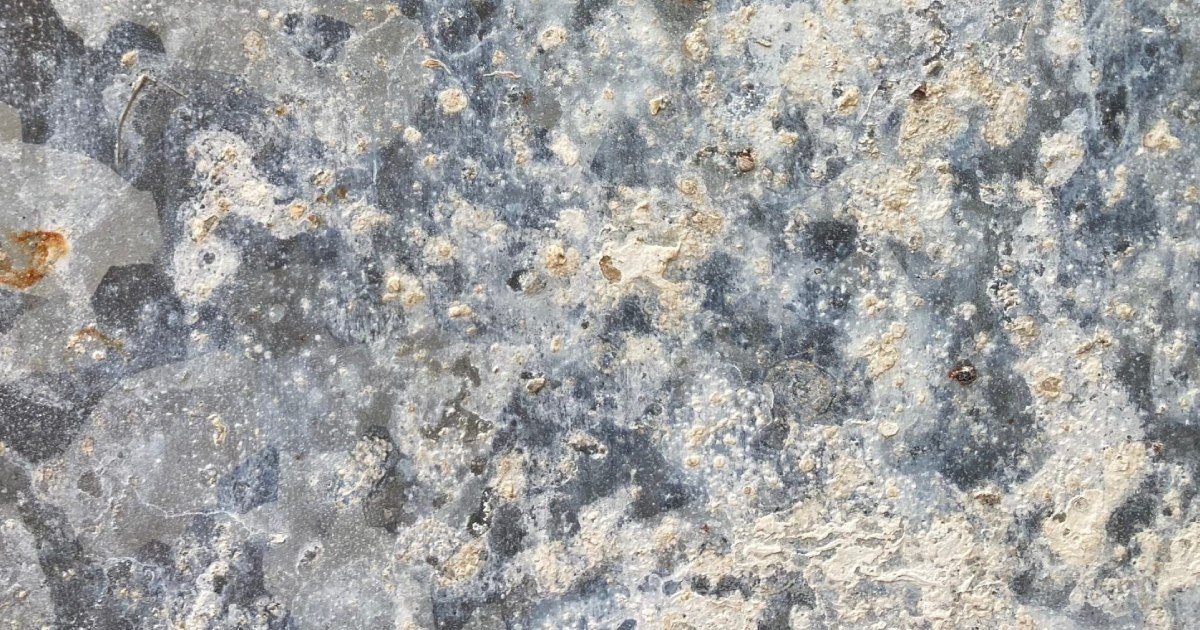
White rust is an unavoidable fact of life in the metal finishing industry; it happens to all zinc-plated materials eventually. However, premature white rust is usually an indicator of process-control issues or poor product selection. By addressing the root causes, finishers can consistently produce high-quality, durable components.
The key to long-term success is vigilance and a commitment to process control.By partnering with experienced chemical suppliers like Pavco and utilizing robust, modern systems, you can ensure your products arrive at their destination rust-free and ready to perform.
To discover the advanced chemistries engineered specifically to combat white rust, explore our products and elevate your finishing standards today.
- Share:
-
![Facebook]()
-
![Twitter]()
-
![Mail]()


Related Articles

IT’S HOW YOU FINISH
We’re a developer and supplier of chemistries for the metal finishing industry since 1948.
In PAVCO, we develop products and deliver services of the highest quality at a reasonable cost.