Strategies for Optimizing Effluent Treatment in Metal Plating Facilities

April 02, 2026
April 02, 2026
Metal plating facilities face an ever-tightening regulatory landscape when it comes to heavy effluent treatment. Whether your shop handles zinc, nickel, chromium, or alloy plating, the wastewater it produces contains a complex mix of heavy metals, acids, bases, and organic compounds that demand a strategic approach to treatment.
In this article, we explore the key strategies that help metal finishing professionals optimize effluent treatment systems for regulatory compliance, cost reduction, and long-term sustainability.
Understanding the Effluent Challenge in Metal Finishing
Electroplating processes generate wastewater containing heavy metals along with various organic compounds and dissolved solids. Left untreated, these pollutants pose significant risks to both human health and the environment.
The EPA's Metal Finishing Effluent Guidelines, originally instituted in 1983, regulate direct discharges to surface waters and indirect discharges through Publicly Owned Treatment Works. Facilities performing any of the six primary metal finishing operations are required to hold a Categorical Wastewater Permit, complete baseline monitoring, and submit routine compliance reports.
Reducing Effluent at the Source
The most effective effluent treatment strategy begins before wastewater even reaches the treatment system, at the plating line itself.
Optimizing Bath Chemistry
Maintaining plating baths within their optimal operating ranges reduces drag-out, extends bath life, and minimizes the volume of contaminated rinse water. Regular bath analysis and consistent chemical dosing prevent the accumulation of plating-system components and contaminants that ultimately end up in the effluent stream.
Improving Rinse Efficiency
Countercurrent rinsing, spray rinsing, and drag-out recovery tanks are simple yet effective methods for reducing the total volume of wastewater while maintaining finish quality. Every liter of water saved upstream translates directly into lower treatment costs downstream.
Pre-Treatment Process Control
The performance of pre-plate operations has a direct impact on wastewater composition. Using high-quality cleaning solutions ensures that parts arrive at the plating station in optimal condition, reducing the need for excessive rinsing and minimizing contamination carryover.
Core Effluent Treatment Technologies
Once wastewater is generated, several established and emerging technologies form the backbone of an effective treatment system.
Neutralization and pH Adjustment
PH adjustment is the foundational step in metal finishing wastewater treatment. Most dissolved metals become insoluble within a specific pH range, typically between 7.5 and 10.5, allowing them to be removed through precipitation.
Mastering pH control is critical not only for treatment efficiency but also for meeting discharge limits. Even small deviations can cause metals to remain in solution, leading to permit exceedances.
Chrome Reduction
Hexavalent chromium requires dedicated treatment. This highly toxic form must be chemically reduced to trivalent chromium before it can be precipitated and removed. Facilities using trivalent chromium plating technologies can bypass this step entirely, achieving both environmental and process advantages.
In practice, consistent and complete reduction is critical to avoid compliance issues and downstream treatment disruption. Chemistries designed specifically for reliable chrome reduction, such as AquaPure HQ, help maintain control and improve overall treatment efficiency.
Cyanide Destruction
In facilities using cyanide-based plating processes, dedicated treatment is required to safely break down cyanide compounds prior to downstream precipitation and clarification. Despite ongoing efforts to replace cyanide chemistries, they remain in use where performance requirements leave few alternatives—making effective destruction a critical part of wastewater treatment.
Cyanide destruction is typically achieved through chemical oxidation, converting toxic cyanide into cyanate, which can then be further broken down into ammonia and carbonate compounds for removal.
The most common approach in plating operations is alkaline chlorination, which operates at elevated pH and oxidation-reduction potential (ORP). While effective, this method is chemically intensive—requiring significant volumes of sodium hypochlorite. In many cases, approximately 23 gallons of 12.5% hypochlorite may be required to destroy just one ounce of cyanide, creating both cost and handling challenges.
Alternative treatment methods – including advanced oxidation chemistries like AquaPure OX P – offer different pathways depending on the application, system design, and operating constraints. Each approach varies in terms of reaction speed, safety profile, and chemical demand.
Clarification and Sludge Management
Following precipitation, wastewater enters a clarification stage where metal hydroxide solids settle out. The effectiveness of this step depends heavily on the proper selection and balance of treatment chemistries.
This stage can be broken into three key categories:
Coagulants
Coagulants destabilize suspended particles and initiate the formation of larger agglomerates. Proper coagulant selection improves downstream settling and reduces chemical consumption overall. Examples include AquaPure I-300, AquaPure CAL 40, and AquaPure ACP.Metal Precipitants / Metal Scavengers
These chemistries are designed to target dissolved metals that may not fully precipitate through standard hydroxide treatment alone. They are especially valuable for achieving low discharge limits and polishing effluent. Examples include AquaPure P601 and AquaPure T-1000.Flocculants
Flocculants aid in binding fine particles into larger, settleable flocs, improving clarification efficiency and reducing carryover. Proper flocculation enhances sludge dewatering and reduces disposal volume. Examples include AquaPure AS Plus and AquaPure FW.
The resulting sludge is then dewatered using filter presses, reducing disposal volumes and associated costs. Well-optimized clarification programs not only improve compliance but can significantly reduce total operating cost.
Building a Culture of Continuous Improvemen
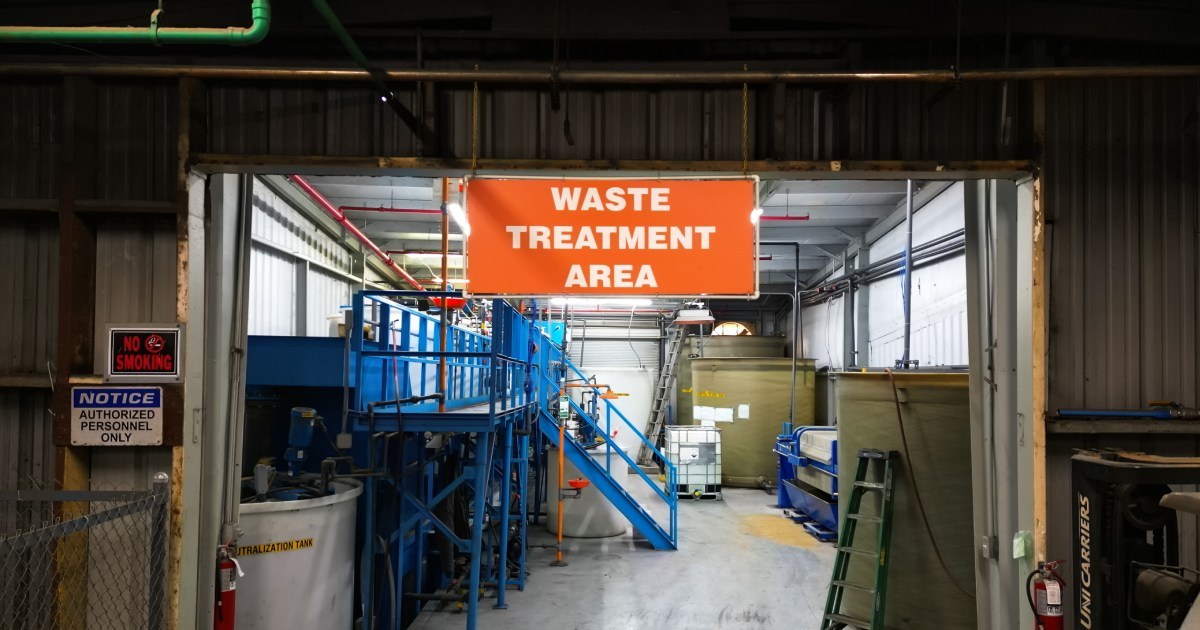
Optimizing effluent treatment is not a one-time project. It requires a culture of continuous improvement driven by data, training, and technical partnership.
Real-Time Monitoring
The integration of IoT sensors and AI-driven analytics into wastewater treatment systems enables real-time tracking of pH, conductivity, metal concentrations, and flow rates. Automated alerts and control adjustments reduce human error and ensure consistent treatment performance around the clock.
Staff Training and Technical Support
Investing in training programs equips operators with the knowledge to identify problems early, optimize chemical usage, and maintain compliance.
Partnering for Performance
Working with a technical service partner who understands both plating chemistry and wastewater treatment provides a critical advantage. PAVCO®'s approach combines productivity-focused chemistry with one-on-one technical service, helping facilities align their plating processes with their effluent treatment goals. Learn how implementing quality control checkpoints across your plating line can reduce effluent variability and improve overall process consistency.
Turning Effluent Treatment Into a Competitive Advantage
Effluent treatment is often viewed as a cost center, but forward-thinking metal finishers are turning it into a competitive advantage. By reducing water consumption, recovering valuable metals, minimizing disposal costs, and staying ahead of regulations, facilities can improve their bottom line while demonstrating environmental leadership to OEM customers and stakeholders.
The convergence of stricter regulations, advanced treatment technologies, and Industry 4.0 capabilities means that the facilities investing in optimized effluent treatment today will be the ones leading the industry tomorrow.
Reliable compliance requires more than just chemicals; it requires a technical partner. Hubbard-Hall’s role as a key distributor of PAVCO products means that North American finishers benefit from a unified support team. Whether you are evaluating your wastewater treatment system or installing a new chemical process, the combined technical service of Hubbard-Hall and PAVCO provides a high level of support.
Ready to optimize your effluent treatment strategy? Contact a PAVCO® Technical Service Representative to discuss how aligning your plating chemistry with your wastewater treatment systems can improve both compliance and profitability for your operation.
- Share:
-
![Facebook]()
-
![Twitter]()
-
![Mail]()


Related Articles

IT’S HOW YOU FINISH
We’re a developer and supplier of chemistries for the metal finishing industry since 1948.
In PAVCO, we develop products and deliver services of the highest quality at a reasonable cost.