Why Nickel Sulfate Remains Essential in Modern Electroplating
December 18, 2025
December 18, 2025
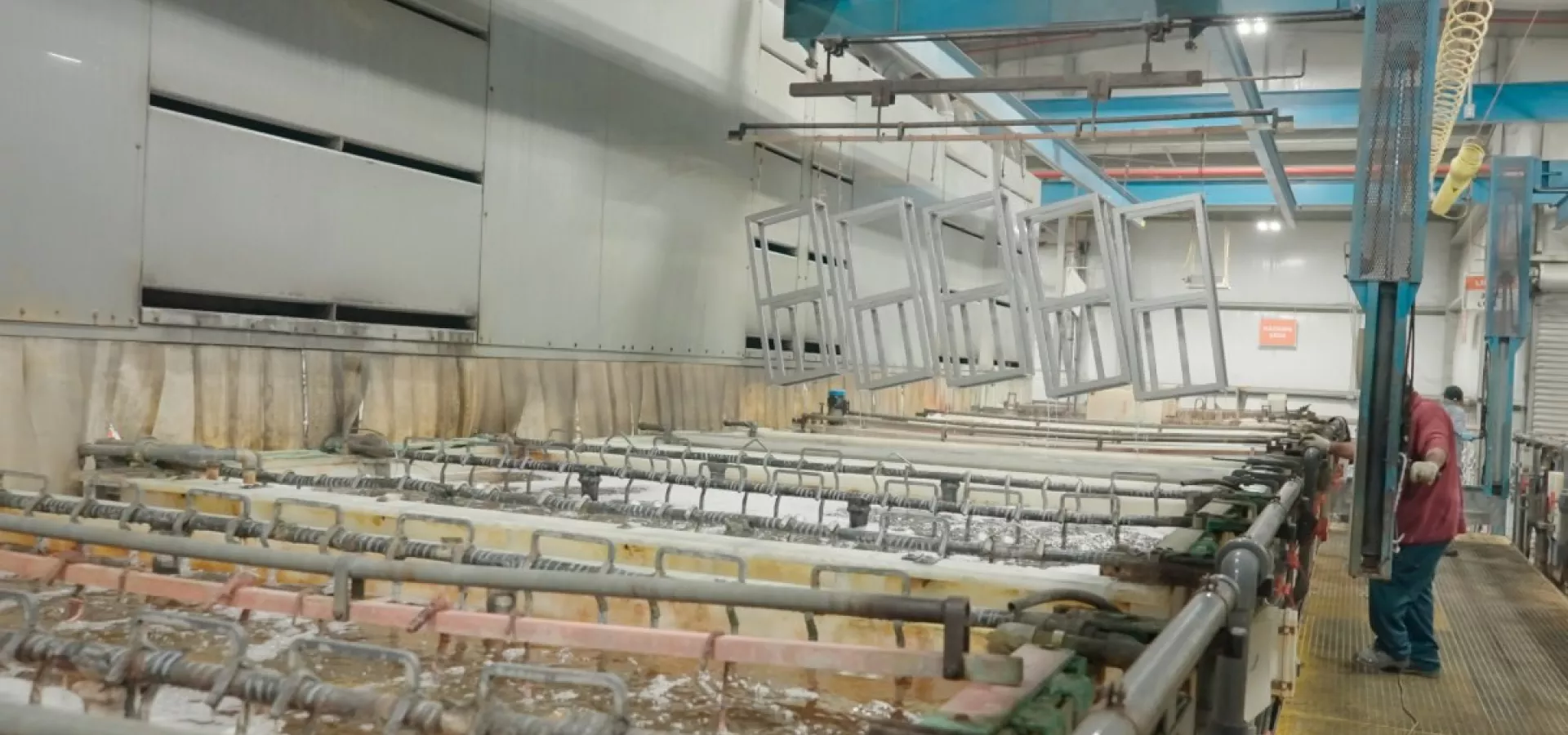
In the world of surface finishing, nickel electroplating is a cornerstone process, valued for its ability to impart exceptional corrosion resistance, wear properties, and a bright, decorative finish. At the heart of nearly every conventional nickel plating bath lies a single, indispensable chemical: nickel sulfate. While the industry constantly evolves with new additives and process controls, the fundamental role of nickel sulfate remains unchallenged.
This article will explore why nickel sulfate is the preferred source of nickel ions, how it influences the plating process, and why understanding its function is crucial for achieving consistent, high-quality results in your operations. For a deeper dive into process optimization, consider our guide on Quality Control in Nickel Plating.
The Foundational Role of Nickel Sulfate in Plating Baths
Nickel sulfate (NiSO₄) is the primary source of the metal ions (Ni²⁺) that are deposited onto the substrate during the electroplating process. Its popularity stems from a combination of high solubility, cost-effectiveness, and stability within the typical operating parameters of a plating bath.
High Solubility and Concentration Control
Nickel sulfate is highly soluble in water, allowing platers to maintain the high nickel ion concentrations necessary for efficient and rapid deposition. This high concentration is critical for achieving the desired plating speed and ensuring a uniform deposit across complex geometries.
A typical Watts nickel bath, the most common formulation, relies heavily on nickel sulfate. Maintaining the correct concentration of nickel sulfate is a constant balancing act. Too low, and the plating rate drops, leading to potential burning at high current density areas. Too high, and the solution may crystallize, leading to waste and process disruption.
Nickel Sulfate vs. Nickel Sulfamate
While nickel sulfate is the standard, some specialized applications, particularly nickel electroforming, utilize nickel sulfamate. The key difference lies in the internal stress of the deposit.
Nickel sulfamate baths produce deposits with significantly lower internal stress, which is vital for electroforming applications where thick, precise, and dimensionally stable parts are created. However, nickel sulfate is generally preferred for decorative and functional plating due to its lower cost and simpler maintenance.
Optimizing the Nickel Sulfate Electroplating Process
Achieving a flawless nickel deposit requires meticulous control over several process variables, all of which interact with the nickel sulfate concentration.
Temperature and pH Control
The operating temperature of a Watts bath is typically maintained between 40°C and 60°C. Higher temperatures increase the conductivity and allow for higher current densities, but they also increase the risk of decomposition of organic additives.
The pH of the bath, buffered by boric acid, is critical. A pH that is too high (above 4.5) can lead to the precipitation of nickel hydroxide, resulting in rough deposits and potential pitting.
A pH that is too low (below 3.5) can decrease the cathode efficiency and increase the internal stress of the deposit. Regular monitoring and adjustment of the pH are non-negotiable for consistent quality.
The Role of Additives
While nickel sulfate provides the bulk of the metal, the final properties of the deposit—such as brightness, leveling, and ductility—are largely controlled by organic additives. These are often categorized as primary and secondary brighteners.
Primary Brighteners (Carrier Brighteners): Provide a semi-bright, ductile deposit and are consumed slowly.
Secondary Brighteners (Levelers): Produce the mirror-like finish and are consumed more rapidly.
The interaction between the nickel sulfate base and these additives is complex. Contaminants, often introduced through poor surface preparation or anode dissolution, can quickly disrupt this balance, leading to issues like dullness, pitting, or poor adhesion. Learn more about how to achieve the perfect finish here.
Preventing Common Plating Defects
Even with a perfectly formulated bath, defects can arise. Many common issues can be traced back to an imbalance in the nickel sulfate system or poor process control.
Pitting: Increase anti-pitting agent concentration; carbon treat the bath.
Roughness: Filter the bath continuously; check pH and adjust if necessary.
Poor Adhesion: Review pre-plating cleaning cycle; check chloride and stress reducer levels. (See: Surface Preparation for Adhesion)
Burning: Increase nickel sulfate concentration; reduce current density.
Ready to elevate your nickel plating process?
Nickel sulfate is more than just a chemical; it is the backbone of the nickel electroplating industry. Its reliable performance, high solubility, and foundational role in the Watts bath formulation ensure that it will remain essential for manufacturers seeking superior corrosion protection and aesthetic finishes.
For you, the surface finisher, mastering the control of your nickel sulfate bath—from concentration and pH to temperature and additive balance—is the key to unlocking the highest quality and most profitable process.
If you are struggling with bath stability, deposit quality, or simply want to ensure you are using the most efficient nickel sulfate products, our technical experts are here to help.
- Share:
-
![Facebook]()
-
![Twitter]()
-
![Mail]()


Related Articles






IT’S HOW YOU FINISH
We’re a developer and supplier of chemistries for the metal finishing industry since 1948.
In PAVCO, we develop products and deliver services of the highest quality at a reasonable cost.