XRF Analysis: Ensuring Correct Ratios in Zinc-Nickel Plating
June 22, 2026
June 22, 2026
In zinc-nickel electroplating, the difference between a coating that provides exceptional corrosion resistance and one that fails prematurely in the field can com down to a few percentage points of alloy composition. The question is: how do you verify that your process consistently delivers the right composition across every part, every rack, every shift?
The answer, increasingly, is X-ray fluorescence analysis. As the industry-standard non-destructive method for measuring both coating thickness and alloy composition, XRF has become indispensable for metal finishing operations that must demonstrate compliance with demanding specifications.
How XRF Analysis Works
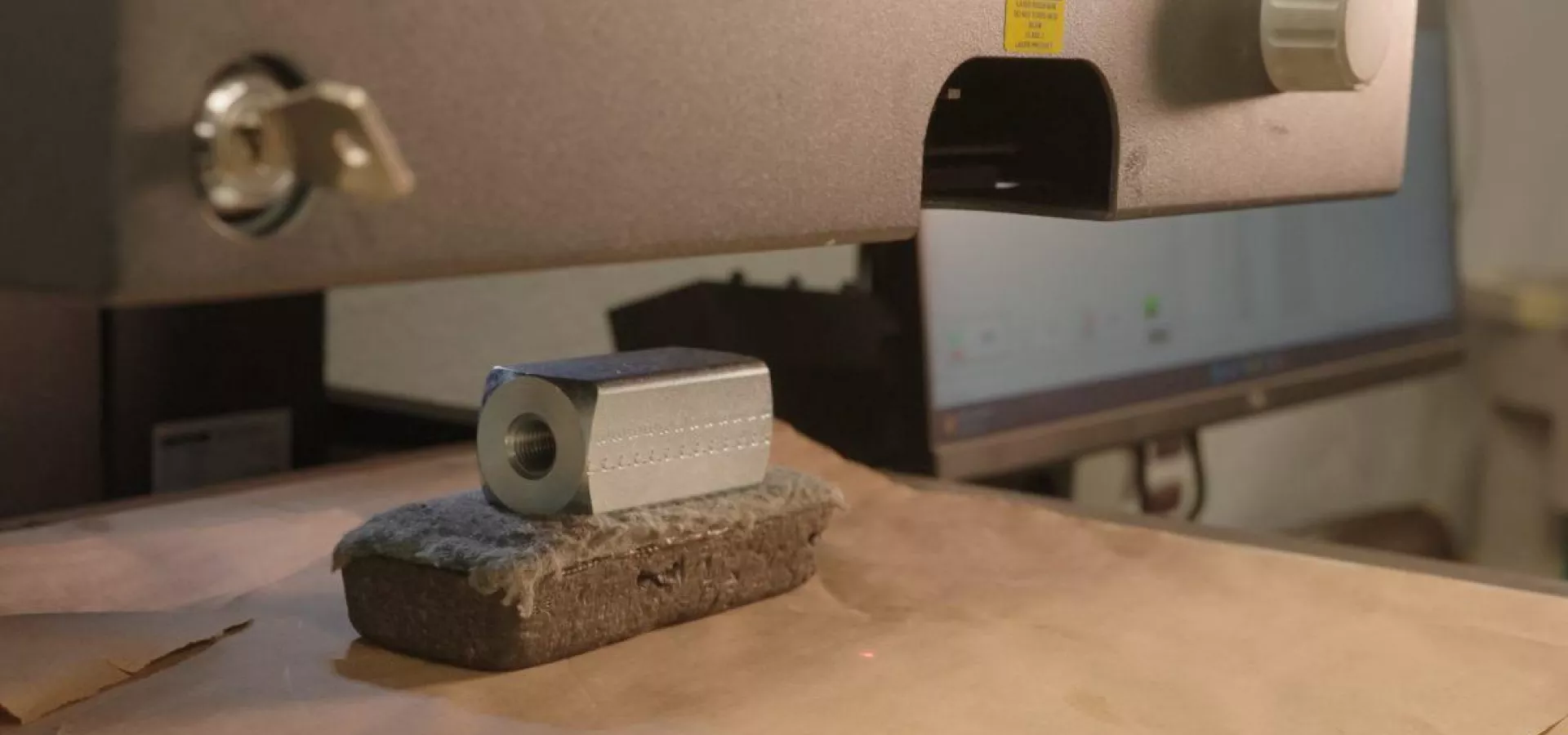
XRF analyzers operate on a fundamental principle of atomic physics. The instrument directs a focused X-ray beam at the plated surface, exciting the atoms in the coating. Each element in the deposit — zinc, nickel, and any trace elements — absorbs the incident energy and re-emits it as fluorescent X-rays at wavelengths characteristic of that element.
By measuring the intensity and energy of the fluorescent radiation, the instrument calculates:
The percentage of nickel (and zinc) in the alloy deposit
The total coating thickness in micrometers or mils
The layer structure, in multi-layer systems
This measurement is entirely non-destructive — the part is not damaged, cut, or altered. Results are typically available in seconds to minutes, depending on the measurement parameters and the precision required.
Why XRF Is the Preferred Method for Monitoring
XRF is ideal for zinc-nickel alloy control due to several advantages:
Simultaneous multi-element measurement. A single XRF analysis provides absolute concentrations for both Zn and Ni, immediately giving the critical Zn/Ni ratio needed to ensure corrosion performance is within specification.
Less operator-dependent than titration. XRF eliminates the subjectivity and variability associated with manual titration's endpoint judgment, improving consistency.
Speed and efficiency. XRF is a fast, efficient way to monitor the Zn/Ni ratio, allowing operators to check composition between plating racks, enabling quick corrections and preventing the bath from running out of spec.
Real-time process monitoring. For the highest control, inline process XRF offers continuous monitoring directly in the plating tank, supporting automated dosing corrections based on real-time deposit analysis.
Maintaining the Correct Zinc-to-Nickel Ratio
The corrosion protection performance of zinc-nickel coatings is directly tied to the nickel content in the deposit. Research and industry experience have established that the optimal nickel range, typically 10–15% for automotive applications, provides the best balance of:
Sacrificial corrosion protection (the zinc component)
Enhanced barrier protection (the nickel component)
Passivate compatibility (alloy composition affects how well passivate solutions bond to the deposit)
When nickel content drops below the specified minimum, corrosion resistance degrades. When it exceeds the maximum, the coating may become too noble relative to the steel substrate, losing its sacrificial corrosion protection behavior. Either deviation represents a specification failure that XRF is designed to detect.
The Dual Analysis Approach
Best practice for zinc-nickel ratio control combines two complementary analyses:
Solution analysis — Analyze zinc and nickel concentrations at least daily by titration, XRF of the solution, or similar methods. This tells you what is in the bath.
Deposit analysis — Verify the actual alloy composition on plated parts or test panels using XRF. Adjust process parameters based on both solution analysis and deposit alloy measurements from a Hull cell or production test panel.
When solution chemistry looks correct but deposit composition drifts, the root cause is typically an operating parameter (current density, temperature, agitation) rather than a chemistry problem — and only deposit analysis reveals this discrepancy.
Understanding the role of post-plate chemistry in protecting zinc-nickel deposits is equally important. Learn how passivates and sealers prevent rust on plated components for a deeper perspective on the complete corrosion protection system.
Common XRF Pitfalls and How to Avoid Them
Even with excellent equipment, several common errors can compromise XRF accuracy:
Measuring over non-flat surfaces — Curved or irregular geometries affect the X-ray interaction volume. Use fixtures to position parts consistently, or apply geometry correction factors when available.
Contaminated reference standards — Fingerprints, oxidation, or mechanical damage to calibration standards introduce systematic error. Handle standards with gloves and store them properly.
Ignoring substrate effects — If the substrate changes (e.g., switching from low-carbon to alloy steel), the existing calibration may not apply. Verify or recalibrate when substrate materials change.
Insufficient measurement time — Rushing measurements by reducing dwell time degrades precision. For compliance testing, always use the full recommended measurement time.
Assuming uniformity — A single measurement point does not represent the entire part. Measure multiple locations to capture current distribution effects.
XRF and the Complete Process Chain
XRF analysis does not exist in isolation — it is the verification step at the end of a process chain that begins with substrate preparation and bath chemistry control.
Upstream Dependencies
The alloy composition that XRF measures is the output of bath chemistry decisions made hours or days earlier. Metal ion concentrations, additive levels, current density, temperature, and pH all influence the zinc-to-nickel ratio in the deposit. Accurate titration and regular bath analysis provide the proactive control that keeps composition within specification — XRF confirms the results.
Downstream Implications
Post-plate treatments — passivation, sealing, and topcoating — perform optimally when the underlying alloy composition is correct. An alloy that drifts outside specification may exhibit poor passivate adhesion or uneven sealer coverage, compromising the corrosion protection that the zinc-nickel was selected to provide. Review PAVCO®'s comprehensive line of post-plate solutions for the full range of post-plate chemistries designed to work with correctly deposited zinc-nickel alloys.
The science behind how sacrificial coatings protect substrates is fundamental to understanding why composition accuracy matters. Read our guide on understanding cathodic protection and sacrificial coatings for the complete technical context.
Partner with the Zinc-Nickel Experts
Accurate XRF analysis ensures that every zinc-nickel deposit meets specification but achieving consistency starts with the right plating chemistry, the right process design, and the right analytical support. PAVCO®, with over 75 years of experience as the world's leading developer of zinc finishing technologies, provides the complete ecosystem: plating solutions engineered for predictable alloy composition, pre-plate chemistries that prepare the substrate for optimal adhesion, and one-on-one technical service to help you set up and validate your XRF analytical program.
Contact a PAVCO® Technical Service Representative today to discuss zinc-nickel process optimization and XRF implementation for your operation.
- Share:
-
![Facebook]()
-
![Twitter]()
-
![Mail]()


Related Articles






IT’S HOW YOU FINISH

We’re a developer and supplier of chemistries for the metal finishing industry since 1948.
In PAVCO, we develop products and deliver services of the highest quality at a reasonable cost.