Premium Nickel Finish: Bright and Semi-Bright Solutions

June 22, 2026
June 22, 2026
When a component demands both exceptional corrosion resistance and a flawless, eye-catching appearance, one coating stands above the rest: the nickel finish. From the chrome-bright bezels on premium automobiles to the wear-resistant surfaces inside industrial machinery, nickel electroplating delivers a combination of performance and aesthetics that few other coatings can match.
Explore PAVCO's complete range of nickel technologies within our plating technologies portfolio.
Understanding Bright vs. Semi-Bright Nickel
Not all nickel finishes are the same. The two primary types, bright nickel and semi-bright nickel, differ fundamentally in their composition, appearance, and performance characteristics. Understanding these differences is essential for selecting the right solution for each application.
Bright Nickel
A bright nickel finish offers a highly reflective, mirror-like appearance, which is achieved directly within the plating bath. This intense brilliance results from the electroplating process incorporating organic additives, specifically brighteners and levelers, into the deposit.
Key characteristics of bright nickel:
Appearance: High luster, mirror-bright, reflective
Sulfur content: Contains 0.04-0.1% sulfur from organic additives
Ductility: Lower ductility compared to semi-bright due to co-deposited organics
Corrosion behavior: More electrochemically active (less noble) than semi-bright nickel due to sulfur content
Common applications: Top layer in decorative multilayer systems, visible automotive trim, consumer electronics housings, plumbing fixtures
The sulfur content is a key differentiator. While it enables the bright appearance, it also makes the deposit more susceptible to corrosion. This is precisely why bright nickel is rarely used alone for critical applications — instead, it is paired with semi-bright nickel in a multilayer system.
Semi-Bright Nickel
Semi-bright nickel produces a smooth, leveled finish with a satin-like sheen rather than a mirror-like reflection. It is deposited from a bath that uses sulfur-free leveling agents, resulting in a deposit with fundamentally different electrochemical properties.
Key characteristics of semi-bright nickel:
Appearance: Smooth, semi-lustrous, satin finish
Sulfur content: Essentially sulfur-free (less than 0.005%)
Ductility: Higher ductility and internal stress tolerance
Corrosion behavior: More electrochemically noble (more corrosion-resistant) than bright nickel
Common applications: Underlayer in multilayer nickel systems, functional nickel plating, components requiring high ductility
For tips on achieving and maintaining a perfect satin-like finish, read our article on achieving the perfect satin finish on metals.
The Power of Multilayer Nickel Systems
The real innovation in nickel finishing is not in using bright or semi-bright nickel alone — it is in combining them strategically in a multilayer system that leverages their electrochemical differences for superior corrosion protection.
How It Works: Corrosion Potential Differential
When semi-bright nickel (more noble, lower sulfur) is plated first and bright nickel (less noble, higher sulfur) is plated on top, the two layers have a measurable difference in corrosion potential, typically 100-150 millivolts. This potential differential is the key to the system's performance.
When corrosive agents penetrate through the outer bright nickel layer, they encounter the semi-bright layer beneath, which is more noble (more resistant to corrosion). Instead of continuing downward toward the base metal, the corrosion is deflected laterally, spreading across the interface between the two nickel layers rather than penetrating deeper.
This lateral corrosion mechanism:
Dramatically extends the time before the base metal is attacked
Distributes corrosion over a wider area, preventing concentrated pitting
Meets or exceeds the most demanding OEM corrosion specifications
Critical Process Parameters for Nickel Finishing
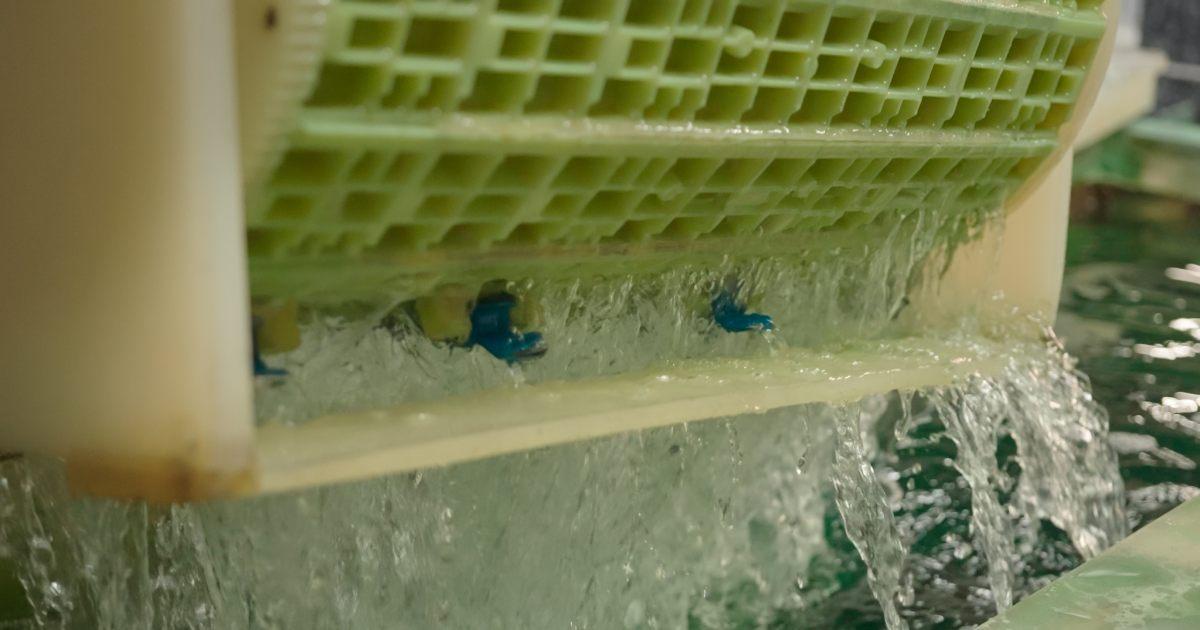
Achieving a consistent, high-quality nickel finish requires rigorous control of several process parameters. Even small variations can affect appearance, adhesion, and corrosion resistance.
Bath Composition
The core of any nickel plating bath is a Watts-type formulation based on nickel sulfate, nickel chloride, and boric acid. Each component serves a specific function:
Nickel sulfate: Primary source of nickel ions for deposition
Nickel chloride: Improves anode dissolution and increases conductivity
Boric acid: Acts as a pH buffer, stabilizing the bath within its optimal range
pH Control
The pH of a nickel bath typically operates between 3.5 and 4.5. Deviations outside this range can cause:
Too low: Excessive hydrogen evolution, reduced cathode efficiency, poor adhesion
Too high: Precipitation of hydroxides, rough deposits, burning at high current density areas
Temperature
Nickel baths typically operate between 45°C and 65°C. Temperature affects:
Cathode efficiency (higher temperature = higher efficiency)
Deposit brightness (brightener performance is temperature-sensitive)
Internal stress (lower temperature can increase tensile stress)
Covering and throwing power
Current Density
The optimal current density depends on the bath formulation and part geometry. Operating outside the recommended range produces:
Too low: Dull, dark deposits with poor coverage in recessed areas
Too high: Rough, burned, or cracked deposits at edges and high-current-density points
Additive Management
In bright nickel baths, organic brighteners and levelers are continuously consumed during plating and must be replenished systematically. Analytical monitoring (typically using Hull cell testing) is essential for maintaining the correct additive balance.
Common Nickel Finish Defects and Prevention
Even experienced finishers encounter quality issues. Here are the most common defects and their root causes:
Pitting
Small pinholes in the deposit caused by trapped hydrogen gas. Prevention: Ensure adequate wetting agent concentration, maintain proper agitation, and verify air or mechanical agitation is functioning correctly.
Dull or Hazy Deposits
Loss of brightness due to organic contamination, depleted brighteners, or metallic impurities (iron, copper, zinc). Prevention: Perform regular carbon treatment, maintain brightener concentrations analytically, and implement continuous filtration.
Peeling or Poor Adhesion
Coating delamination caused by inadequate surface preparation, improper activation, or contamination between nickel layers. Prevention: Verify the entire pre-plate cleaning sequence is functioning correctly and that rinse waters between steps are clean.
Understanding these pitfalls helps avoid the significant cost of rework..
Dark or Burned Edges
Excessive deposit at high-current-density areas caused by operating above the recommended current density range. Prevention: Use shields, auxiliary anodes, or pulse plating to improve current distribution.
Choosing the Right Nickel Finish
The nickel finish remains one of the most valuable tools in the metal finisher's arsenal. It delivers the rare combination of decorative appeal, functional performance, and corrosion resistance that demanding industries require.
From understanding the electrochemical principles behind multilayer nickel systems to mastering the process parameters that determine deposit quality, investing in nickel plating expertise pays dividends in product quality, customer satisfaction, and long-term profitability.
Ready to elevate your nickel finishing capabilities? Contact a PAVCO Technical Service Representative today to explore productivity-focused nickel plating solutions backed by more than 75 years of industry expertise.
- Share:
-
![Facebook]()
-
![Twitter]()
-
![Mail]()


Related Articles




IT’S HOW YOU FINISH
We’re a developer and supplier of chemistries for the metal finishing industry since 1948.
In PAVCO, we develop products and deliver services of the highest quality at a reasonable cost.